Smile – it’s the Weekend!

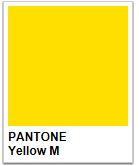
This past week has been a little grey outside and the weekend is calling for rain.  Therefore I believe that the upcoming ‘colour’ forecast calls for some cheery yellow.  Add a splash of yellow in your life like this Pantone Yellow M colour chip.

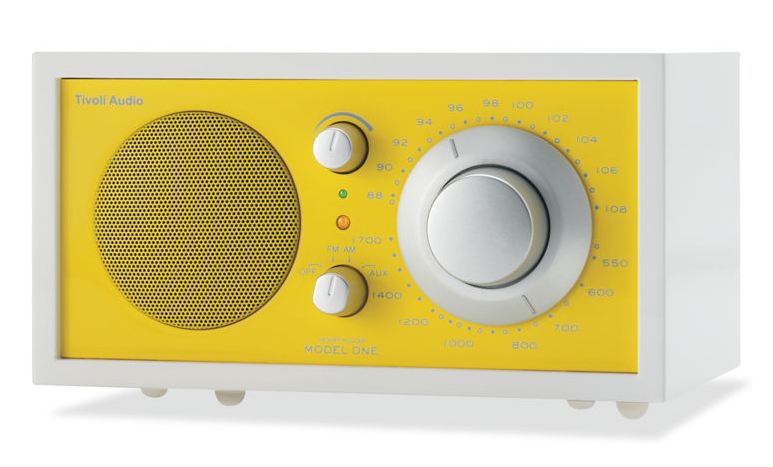
If you are brave enough paint a feature wall in a guest bedroom, the inside of a cabinet or a small piece of furniture.  If that’s too much how about listening to soothing sounds from a Tivoli radio. www.tivoliaudio.com

How about pumping up the energy of a neutral kitchen with the Jake chair from Room and Board www.roomandboard.com .  Takes tea time to a whole new level.

This contemporary yellow sofa from www.bebitalia.it would definitely create a statement.

So wherever you find yourself this weekend I hope it is a cheery one. And remember – smile!!

My Desire for Pink

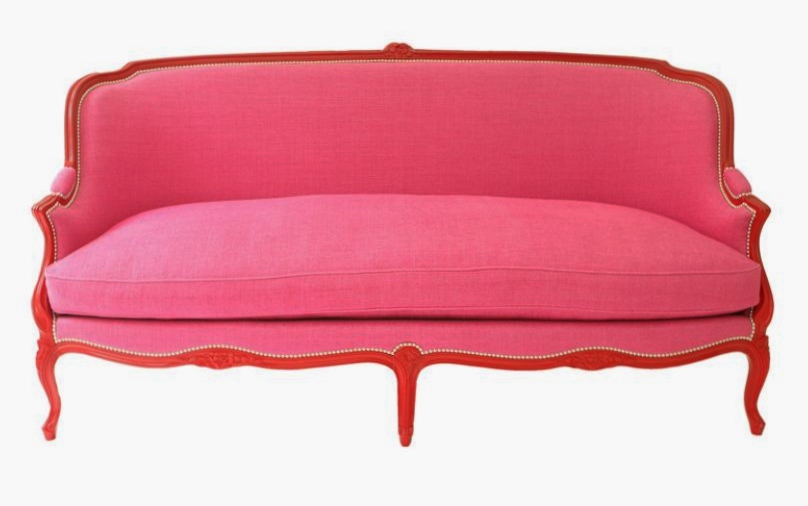
This spring I have had a real desire to decorate with colour – especially pink.  I have never been a ‘pink’ person but I have been imagining my décor with hits of this bright hue.  It could be that the neutral colours of winter have me wanting anything but taupe, linen and grey.  I have been imagining how fun it would be to have something like this bright pink sofa from www.jamesstuartduncan.com and decorate a room around it with other hits of colours like juicy orange, sunshine yellow and chartreuse green.

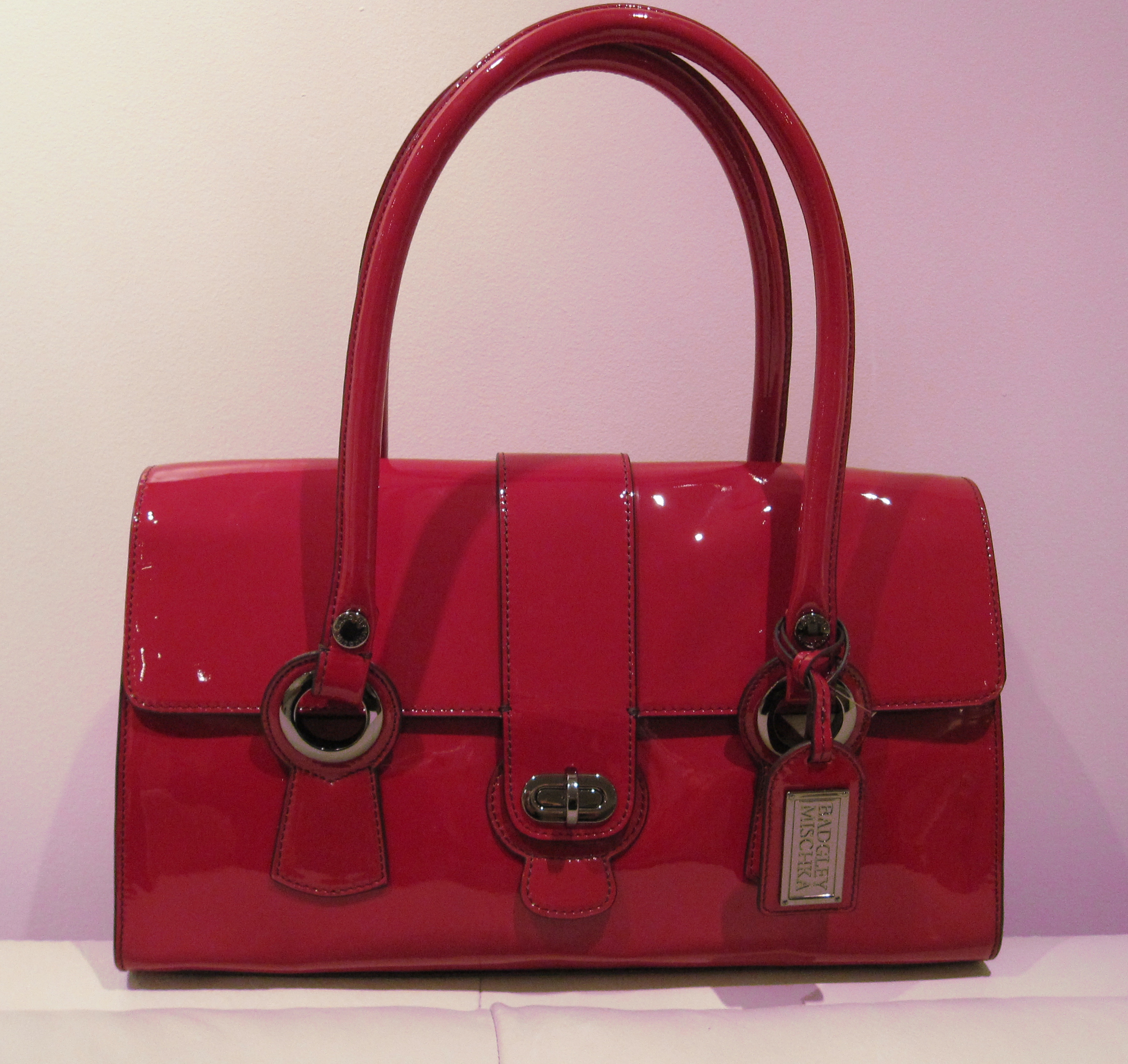
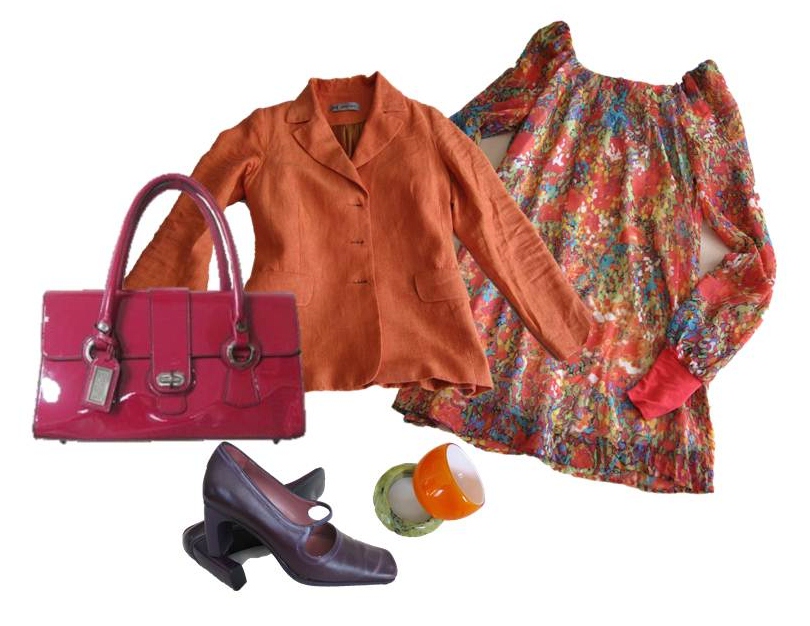
So this past weekend I went shopping…..but for clothing/shoes/accessories.  Something I love to do!  A session of retail therapy always works wonders.  Of course a change of season is always a good excuse to go shopping too!  My subconscious mind must have been preprogrammed because the first thing that I found was a pink (actually raspberry) patent purse from www.badgleymischka.com.  I realized that my desire for colour had transferred over to my wardrobe.  It was way over my budget but I had to have it so I justified it by the fact that it cost a lot less than the pink sofa.

This purse became the ‘springboard’ for the shopping adventure that followed.  Those who know me will agree that generally I dress in black and white not bright colours so this shopping spree was a departure from the norm.  My eyes scanned the racks of clothing looking only for pinks, oranges, purples and chartreuses.

So this is what I came home with.

Whereas had I gone furniture shopping I would likely have come home with this – same colours, different pieces  Funny how that works!

Sofa and Chair: www.jonathanadler.com  Bouquet Chair: www.moroso.it    Lacquered Trays: www.westelm.com    Striped Pillow: www.roomandboard.com  Chartreuse Pillow:  www.westelm.com


Shedd Aquarium

On a trip to Chicago I visited the Shedd Aquarium.  Considered to be one of Chicago’s no. 1 cultural attractions where visitors can make ‘inSheddible’ connections with over 30,000 animals, from snails to whales.  Initially I thought, boring…., but I was actually quite captivated.  Along with seeing beautiful fish and lots of creeping and slithering animals I was amazed at the amazing kaleidoscope   of colours.  Design takes its inspiration from nature and the colours at the Shedd definitely showcased this.  So I thought I would share some of my Shedd photos and parallel them to furniture pieces from Moroso www.moroso.it

All animal images via Modmissy.  All furniture images via Moroso.it

The Thornton-Smith Decorating Company

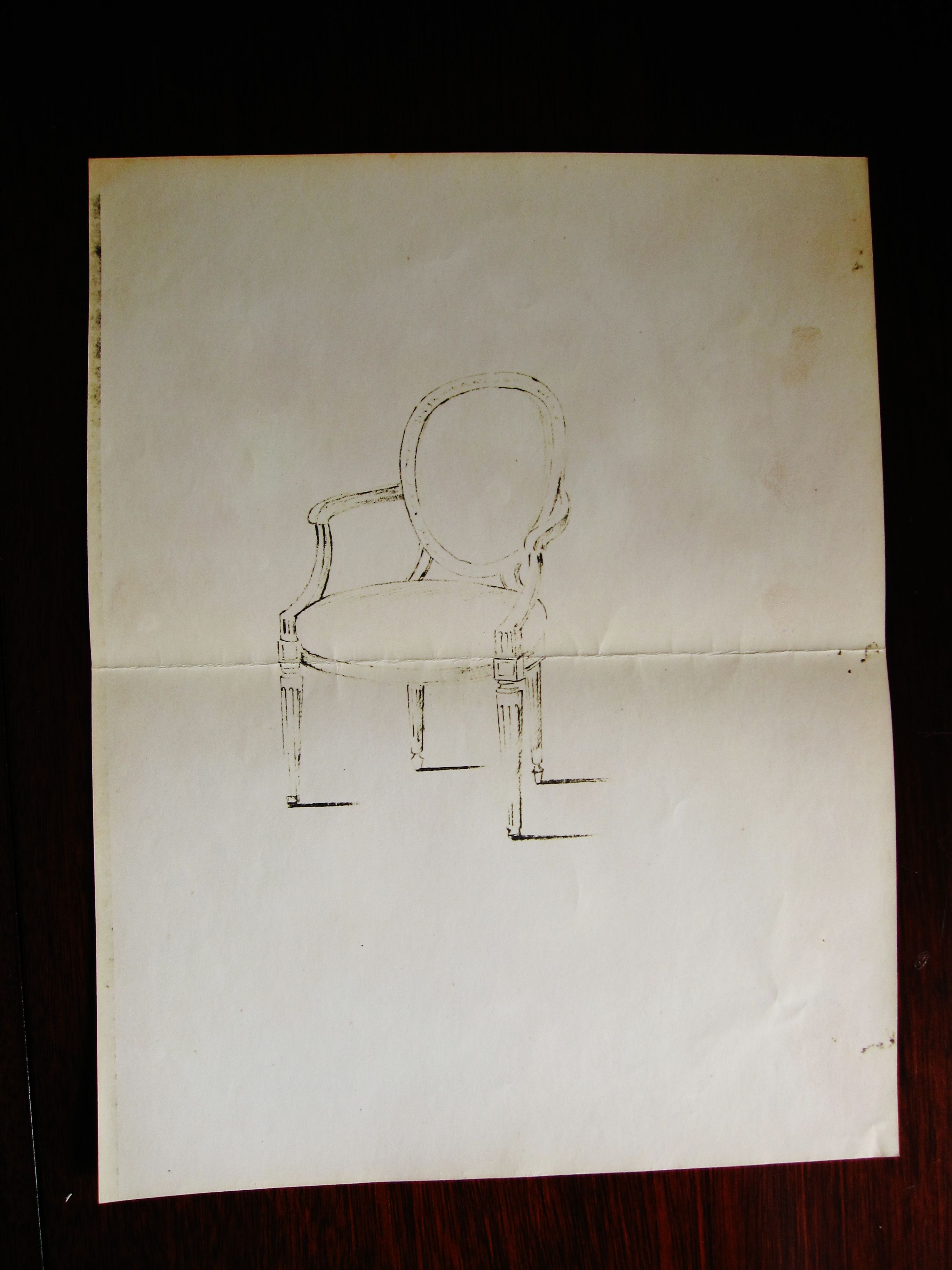
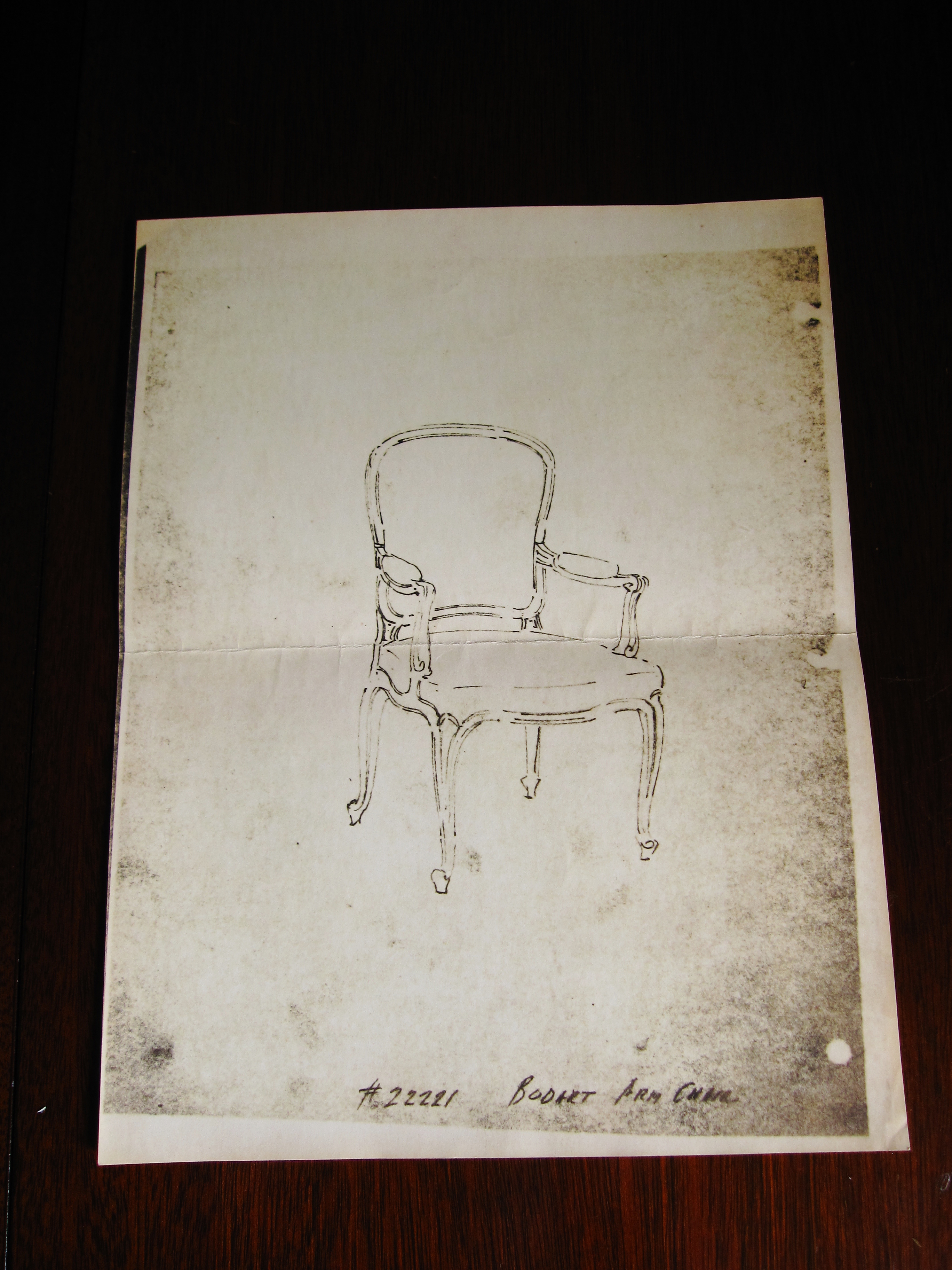
I recently wrote about the dining set I inherited from my parents.  https://modmissy.com/2012/02/23/the-dinette-table/.   The table, 6 chairs and buffet are mahogany with a French polish finish.  My mother steadfastly protected the beautiful sheen of that table and buffet. i.e. “Get your sticky fingers off that table!” (I heard that a lot growing up!)  Along with the china and silver, the buffet was the place where my mother stored her ‘important papers’.  So when I inherited the mahogany dining set I also inherited my mother’s decorating history.  Underneath the drawer liners were the receipts and invoices of many of the furniture pieces my parents had purchased over the years.  My mother took her interior decorating seriously.  She did a lot of research and inquiry before making any purchase.  In the late-1960’s my mother decided that what the living room needed was 2 occasional chairs.  So she began her research.  That research took her to The Thornton-Smith Company; Furnishers ·Decorators· Designers located on Yorkville Avenue in downtown Toronto.  Thornton-Smith was a legendary Toronto design influence that helped to single-handedly define Toronto interiors for nearly a century.  Thornton-Smith sold custom furniture, fabrics, rugs, drapery; decorated the Royal Alexander Theatre, parts of Massey Hall, the former Walker House Hotel, the Senate Chamber in Ottawa and painted stencil decoration for many Ontario churches.  For my mother Thornton-Smith provided her with 2 bergere-style chairs.  But this was the late 1960’s, long before technology, so before my mother purchased her chairs her initial inquiries, received via Canada Post, were artist sketches of the different chair designs.  From these various sketches my mother decided on 2 of the chair styles.  The first chair she chose was the chair I wrote about last April https://modmissy.com/2011/04/15/my-purple-chair/ .  I have recovered and re-stained the chair but the style is the same.  The 2nd chair I also still have.  I like to think that I not only inherited 2 nice chairs but a piece of Toronto decorating history.

Here is the original envelope my mother received.  Note the date stamp – Nov. 18, 1968.

Here are the artist sketches of the various chairs my mother received. The first photo is the original sketch of my purple chair.  The 2nd photo is the original sketch of my other chair my mother purchased.

All images via Modmissy

EJ 144

This past weekend I visited the Art Gallery of Ontario (AGO).  I love visiting galleries and museums not only to view the outstanding art and exhibits but to be witness to the architecture of the building that houses the outstanding art.  Often the architecture is as much a spectacle as the art.  The most recent renovation to the AGO, architect Frank Gehry’s design made the connection between art and architecture.  Upon entering into the first part of the gallery you walk into a large open hub; Walker Court.  Immediately you are hit by the spectacle of the architecture; the dramatic spiral staircase, the abundance of Douglas fir and the high arched doorways.  As gallery-goers entered and walked around this space I noticed that most were looking up taking in the amazing sights.  Often overlooked in public spaces though are details that although do not take centre stage are just as interesting.  In Walker Court were 2 upholstered benches.  Unlike all the art in the gallery, I was able to touch and inspect these benches.  So I got down on my hands and knees and discovered that the tag on the bottom (no easy feat) indicated that the bench was made in Denmark by Erik Jørgensen www.erik-joergensen.com.  The bench – EJ 144 (One for Four) was designed by Anne-Mette Bartholin Jensen and Morten Ernst.  The big horizontal surface, smooth black fibre-glass construction and transparent base gives “the appearance of a membrane separating heaven from earth”.  The bench is also available in a single version, EJ 141 (One for One).  I am sure the intention of placing these 2 benches in this outstanding space was a well thought out design decision because what you sit on to experience art and architecture is just as important. 

Upon Closer Inspection

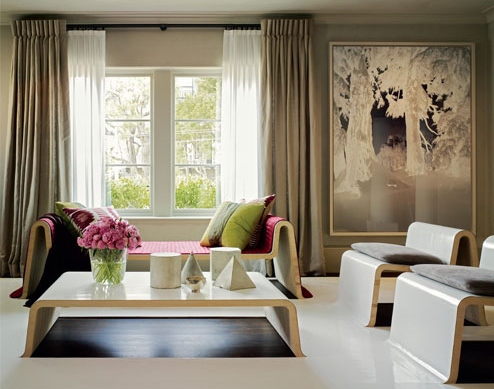
My Friday space this week is a living room designed by Orlando Diaz-Azcuy of Orlando Diaz-Azcuy Design Associates or ODADA.  This Cuban-born American designer has had a significant impact on the contemporary practice of interior design.  With degrees in Architecture, Landscape Architecture and City Planning, Diaz-Azcuy is a master in residential interiors, architecture, landscape design, furniture design and urban planning.  While researching for a room that I would like to spend time in this weekend I came across this photo that depicted a lovely calm space; a bit more traditional looking than I usually prefer.  But upon closer inspection I realized that the furniture was actually a ‘dramatic experiment’ in curved plywood.  “Sweeps of glossy white vinyl lie atop a plywood “over-floor” and rise onto and over the simple plywood furniture forms—coffee table, daybed, and chairs. Beneath them an exposed ebony floor serves up high contrast to highlight the beauty of negative space.”  Refined elegance but innovative modern at the same time.  Outstanding!

Image via Matthew Millman

The Dinette Table

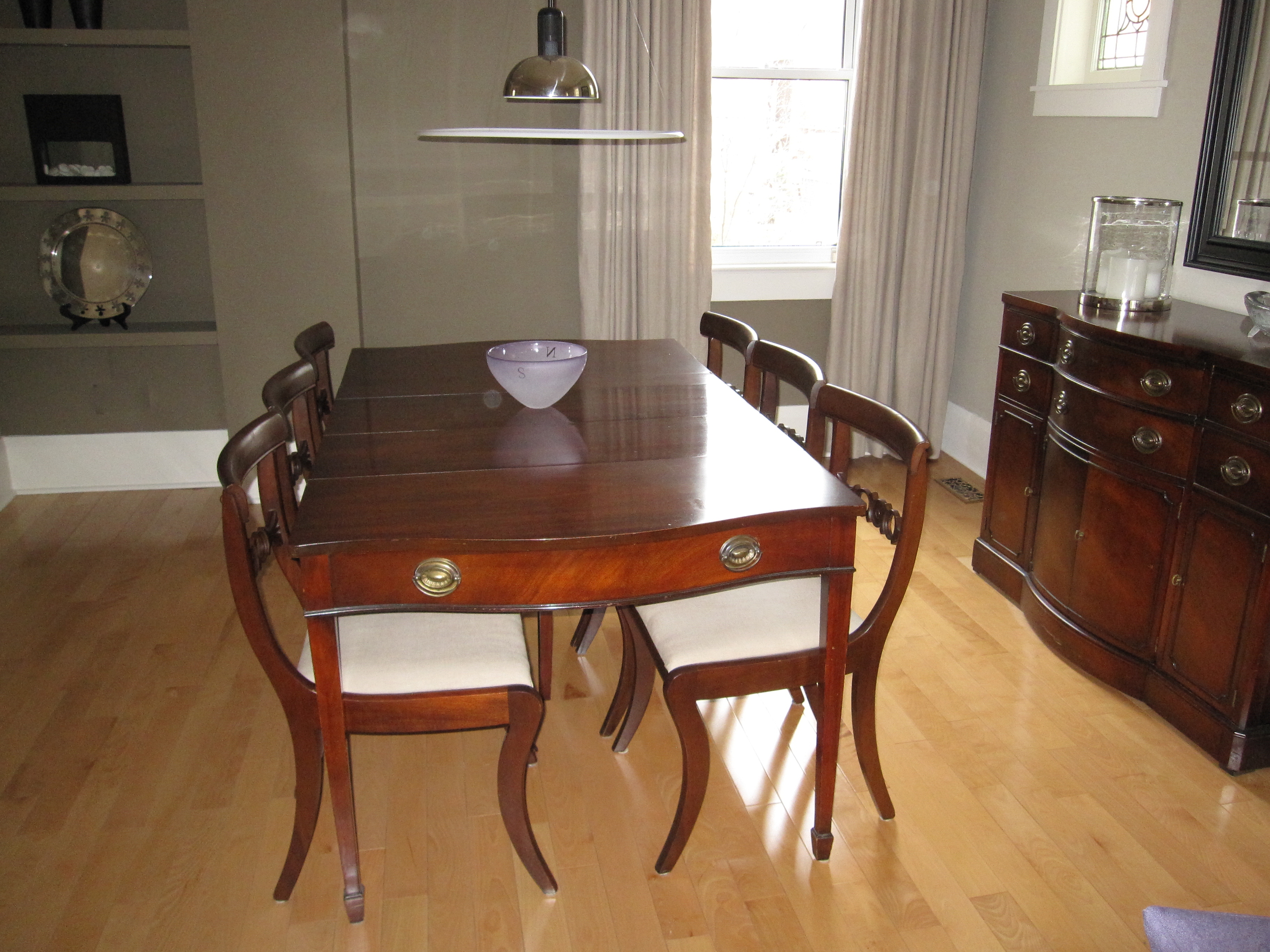
Entertaining at home has never been as popular as right now.  With all the cooking shows on television and the fabulous cook books now available, so many of us have now found our ‘inner-chefs’.  The dinner party has become the ‘au courant’ style of entertaining; sitting around the dining table sharing wonderful conversation, food, wine and laughter (more wine, more laughter!).  The party often starts in the kitchen but usually ends gathering around a table – the dining table.  Most homes have a dining room but so often the space must serve double or triple duty therefore the dining table is also a work desk, craft table, place to do homework or just a handy surface to place all stray belongings.  For small spaces a dining table is not always a possibility given square footage restrictions so a surface to dine and entertain at becomes a design challenge.  The kitchen island is now being designed with entertaining in mind.  Coffee tables that convert into dining tables are becoming popular.  A console table can be pulled into duty also.  Of course there is always the door removed from its hinges method – I have a client who has done this for years.  So I thought I would share with you my own dining table solution for small spaces.  My dining table, originally my parents’, is a mid-1950’s Duncan Phyfe style that was built by Drexel Furniture.  The table and matching buffet are both made of dark stained mahogany and have bow fronts.  It is a lovely table that blends well with my contemporary décor.  Mind you I would like to replace the chairs with something more modern i.e. Panton, Eames chairs.  But the best part about this table is the ‘secret’ small space design adaptability.  With 3 leaves my table seats up to eight people comfortably but with the removal of the leaves and the flip of the top, my table converts to a small desk.  Ingenious!  My ‘dinette’ table was the ‘high tech’ solution to small spaces during the 1950 and 1960’s.  An idea that is well worth copying.  

Dining Table extended to sit 6


Dining Table converted to Desk

 All images via Modmissy


Balance vs Symmetry

A room that is designed with symmetry is a room that is in a state of equilibrium.  Every ying has it yang.  A sofa in the centre of a seating arrangement, flanked by two end tables, coffee table and a pair of chairs. Matched and a sense of harmony.  Whereas balance being a room with deliberate lack of symmetry.  Not matched but feeling coordinated.   It took me a long time to realize about myself that when it comes to my own personal space and décor, I prefer a room to look balanced without being symmetrical.  Case in point – my living room.  This room took me 3 sofas, actually 2 sofas and then finally a sectional sofa to realize that the room functions better and feels best when it is not decorated symmetrically.  The wall between my living/dining room had been removed creating one large open room.  On the long wall is the fireplace. Where it used to once sit centered in the living room the fireplace now sits at what feels like the end of the long wall.  When I placed my sofa/furniture symmetrically on the fireplace the living room occupied a small space of the overall room.  The living room felt small and there was too much space allotted to the dining area.  I decided that the solution to this problem was to decorate asymmetrically around the fireplace and a sectional sofa allowed that to happen.  My living room has been enlarged and occupies more of the space in the living/dining room.  After this lengthy and $$$$ exercise I realized that I preferred my rooms when they were not symmetrical but rather balanced.  I like my ‘vignettes’ mismatched and I favour items in odd numbers.  I feel the asymmetrical ‘tension’ created makes the space more appealing to me.  


                All images via Modmissy

Your Weekend Travels

While researching for rooms that I would like to spend some time lounging in this weekend I came across this bedroom photo from www.roomandboard.com

I chose this room for a few reasons.  Overall it felt like a calm space, everything is fairly neutral except for the pop of colour coming from the orange pillow.  The grey bedding is a colour that is on trend right now.  I really love the large window that goes right to the floor flooding the room with natural light.  The decision to go with bedside tables that are not identical appeals to my “non matchy, matchy” inclination.  A very functional bedside reading lamp allows for easy bedtime reading.  The black and white framed art above the bed offers interest.  Of course the mid-century modern piece of furniture gets great applause.  The Eames Molded Plywood Chair designed by Charles and Ray Eames in 1946 provides the ‘classic’ piece for the room.  The acrylic lamp and glass table are the departure from having too much wood in the room.  And of course one could not help but notice the large cowhide ottoman.  But the main reason I chose this room is that it reminded of a place I had visited many years ago – South Africa.  Actually it reminded me of the Rondavel I slept in while visiting the Kruger National Park located in the north-east part of South Africa.  A Rondavel is a round hut with a thatched roof.  Fairly rudimentary on the inside with 2 beds built from rough lumber and some basic storage.  It was the design of the bed that reminded of the above photo.  The legs of the bed rather than being recessed underneath the frame were at the edge.  Since the Rondavel was tight on space I found myself repeatedly whacking my toes on the wooden legs while walking around the bed.  I was lucky that I somehow managed to avoid breaking my toes.  With over 7500 sq. miles of land to travel in the park there was no room for broken toes.  Since then I have avoided purchasing any bedframes that have the legs on the edge as I know they are potentially hazardous for me!  Also the cowhide on the ottoman reminds me of the many beautiful Springbok that I witnessed roaming naturally in the wilds of the Park.  This trip was the trip of a lifetime and I love to be reminded of it any chance I get.  So here’s to your weekend travels wherever they take you.  Enjoy!


Bookcases

With these cold and dark winter days upon us there is nothing better than curling up and reading a good book.  If you are a frequent visitor to your local public library or an e-reader you have probably not accumulated volumes of books.   But for those who love to have their own book collection the problem of where to house all of them can become a challenge.  Enter the bookcase.  That veritable destination of all things written and bound, the bookcase has not been lost or phased out due to all the advances in technology.  In fact the bookcase is still as popular as ever and has been updated and modernized in keeping with the times.  Here are some examples.  The first example is the one that got me thinking about bookcases.  It was sent to me via an email so I do not know its origin, but very ingenious. 

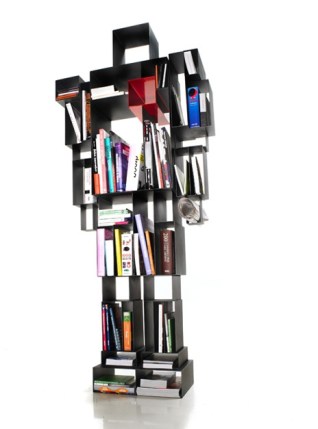
Next is Casamania’s Robox by Fabio Novembre.  A life-size robot that is able to hold all your books thus becoming the new domestic hero. 
The wall mounted Aluminum Bookcase designed by Julien Vidame has a wonderful ‘undulating’ feel to it.  I liked this one.

Similar to a traditional bookcase is the Shanghai Bookcase designed by Giuseppe Bavuso.  The external structure is made of black stained oak but the tilted inner shelves are made of cement.  Composed of organic materials, this bookcase may be recycled at the end of its lifetime.  Very green thinking.

The Oto 100 is a sectional bookcase designed by Pil Bredahl that is quite a departure from the norm.  This bookcase is made for the modern nomad who is constantly on the move.  Made of fiberglass, this sculptural bookcase is easily assembled (and disassembled) into any formation you wish.  I like the style of bookcase that allows for constant ‘change’.

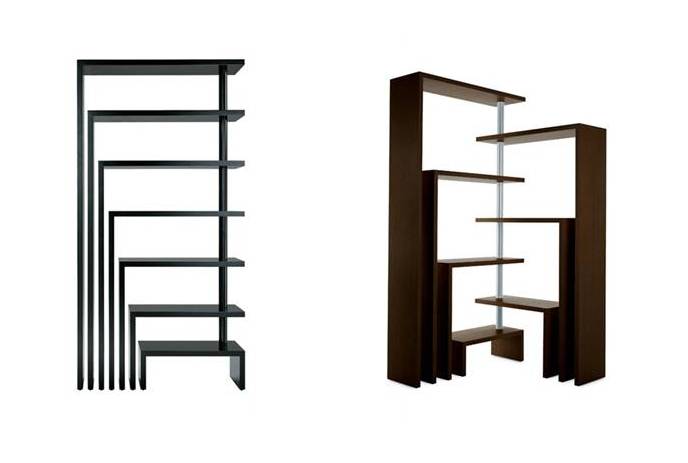
Another option is the swivel bookcase, Zanotta’s Joy designed by Achille Castiglioni.
And I don’t think I could write about bookcases without mentioning the internationally well-known Billy by Ikea.  Over 40 million of these flat-packed iconic bookcases have been sold since it was first created in 1979.  All of the bookcases I mentioned are high in style and personality; a shame to load them up with books.  So as the American poet once wrote in his comic poem, Shake, Mulleary and Go-ethe,

     “I have a bookcase which is what,

      Many much better men have not.

           There are no books inside, for books

      I am afraid might spoil its looks.”